Featured
Case Studies
Strategic projects spanning market entry, portfolio optimization, and brand communications.
Positioning IKEA for Inclusive Living Growth
Designed a growth strategy for IKEA to capture the emerging "silver economy" by reframing assistive living as aspirational, future-ready home upgrades. The strategy integrates product design, behavioural insights, and in-store experience to drive adoption.
View Case StudyProject Overview

Designed a growth and positioning strategy for IKEA to capture the emerging "silver economy" by reframing assistive living as aspirational, future-ready home upgrades. The strategy integrates product design, behavioural insights, and in-store experience to overcome adoption barriers and drive long-term brand relevance.
The Strategic Opportunity
The global population is aging rapidly, with 1 in 6 people projected to be over 60 by 2030. While this creates a significant growth opportunity, IKEA currently lacks a differentiated offering tailored to elderly living.
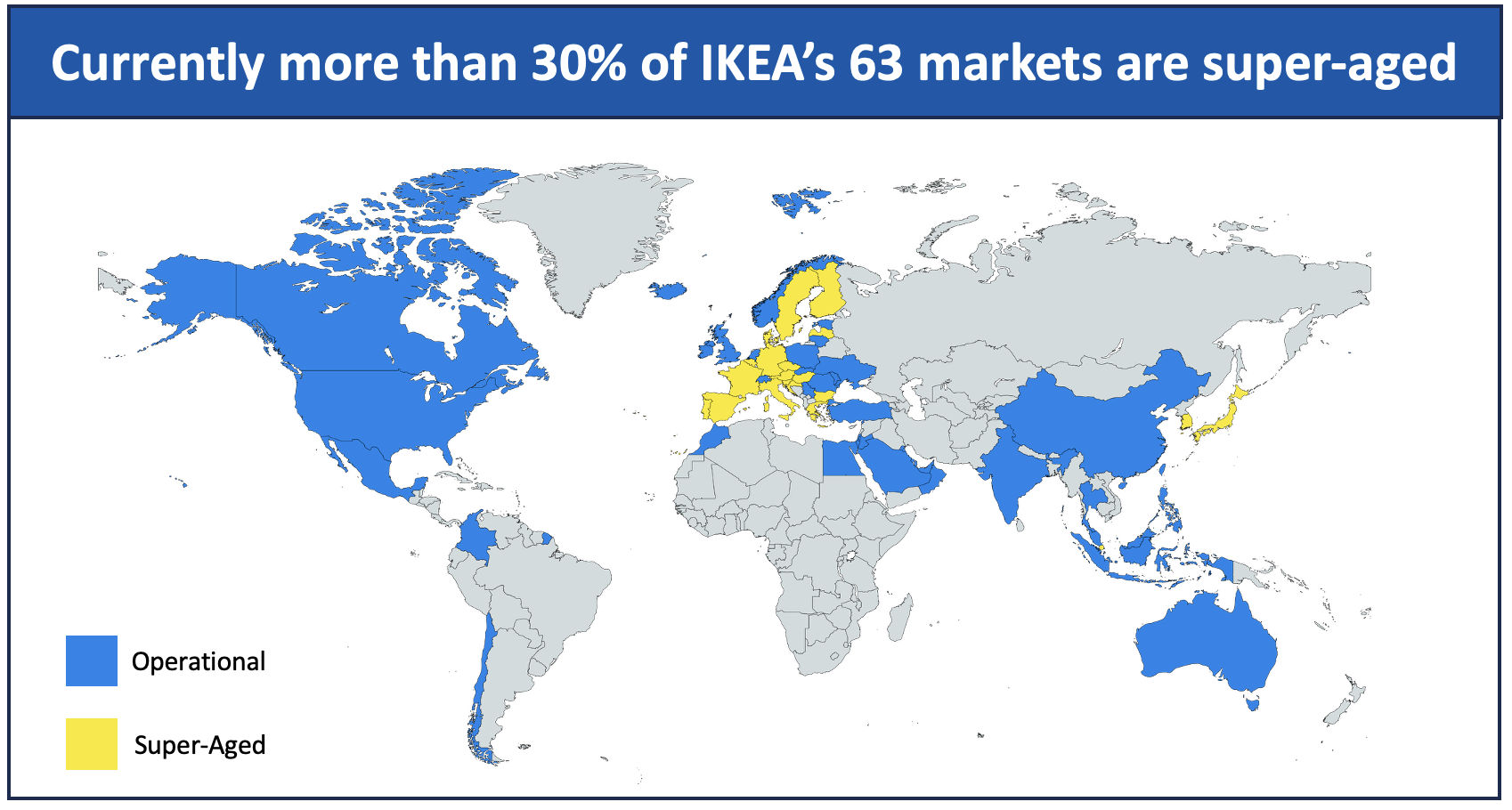
Currently more than 30% of IKEA's 63 markets are classified as super-aged
Key Insight: Across the price spectrum, most furniture brands lack specially-designed inclusivity ranges. There is a "Blue Ocean" opportunity in daily-living accessories that address the full spectrum of elderly needs.
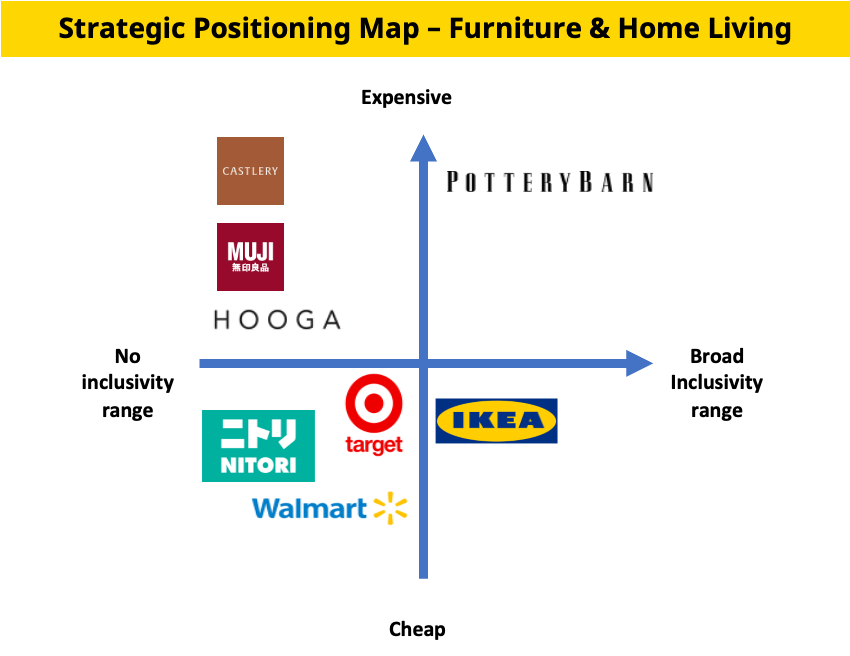
Strategic positioning map — IKEA occupies a unique space in affordable inclusive design
Barriers to Adoption
The adoption of assistive tools remains low due to stigma, inertia, and perceived loss of independence:

Status Quo Bias
Older adults prefer familiar setups, leading to reactive upgrades after incidents

Stigmatization
Negative attitudes towards "mobility aid" labels increase resistance to use

Trust & Functionality
Elderly individuals often question the value and reliability of assistive tools
Core Barrier: Not product availability, but perception. Assistive solutions are associated with decline and dependency. Growth requires reframing assistive living from a reactive necessity into a proactive, dignified lifestyle choice.
Strategic Choices
Where to Play: Aging populations globally, piloting in Singapore (rapidly aging, high purchasing power, strong retail infrastructure).
Who to Target: Adult children (Millennials) as primary decision-makers — highly engaged with IKEA, motivated by ensuring parents' independence.
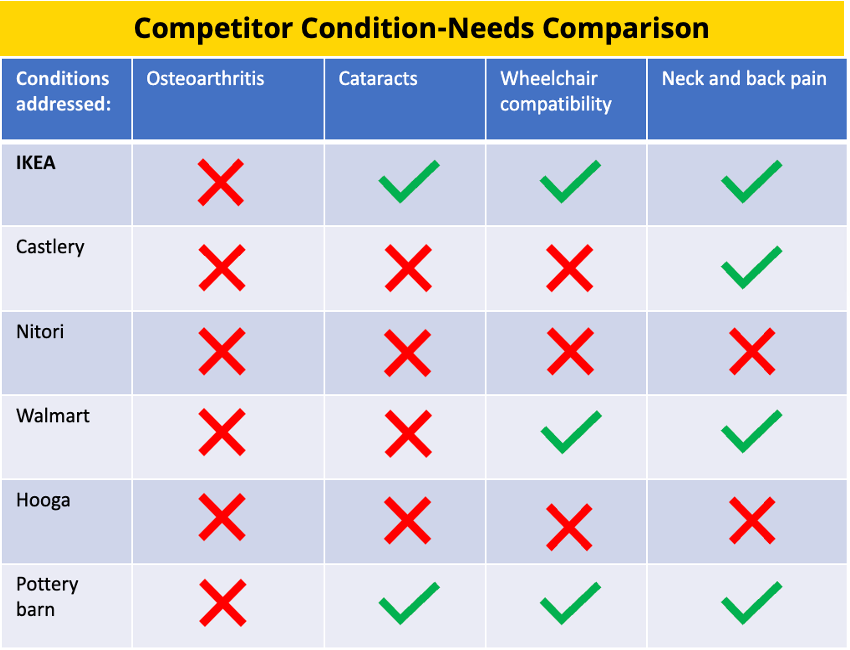
Competitor analysis: condition-needs coverage across major furniture brands
How to Win:
- Reframe the Category: Shift perception from "Assistive aid" to "Future-ready home upgrade" — removes stigma and positions adoption as aspirational
- Reduce Adoption Friction: Design products as add-ons compatible with existing IKEA furniture, enabling gradual, non-disruptive upgrades
- Drive In-Store Conversion: Leverage IKEA's physical retail to demonstrate real-life use cases and build trust through interaction
Featured Products
Products designed as add-ons — not replacements — to lower psychological and functional barriers:
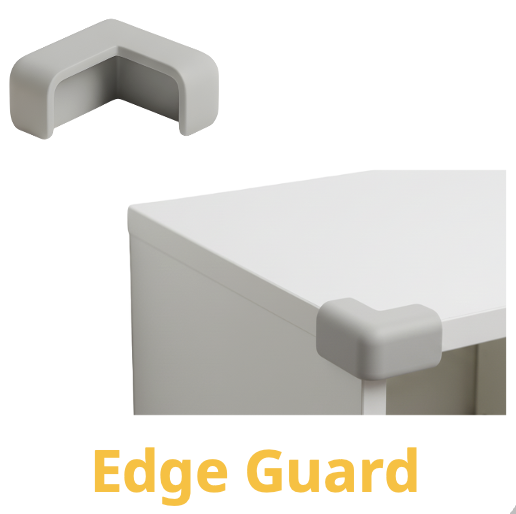 Edge Guard
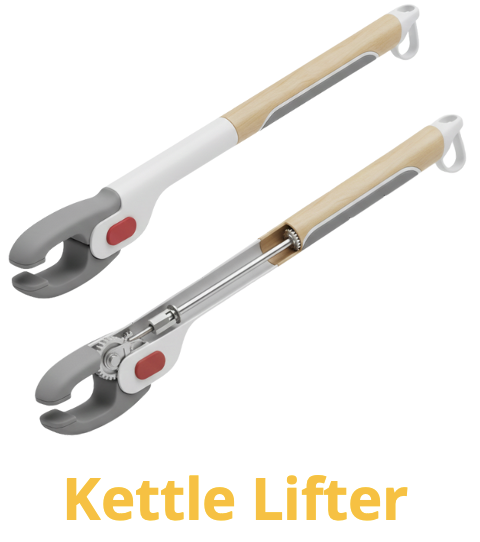 Kettle Lifter
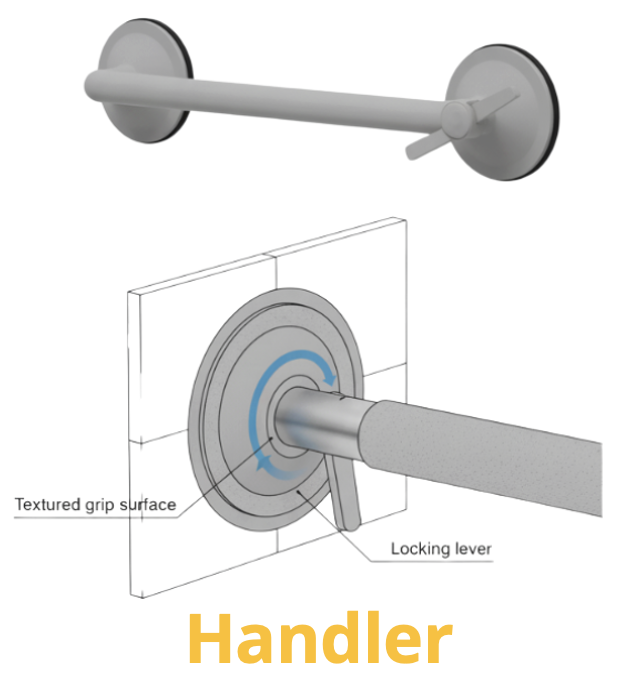 Handler
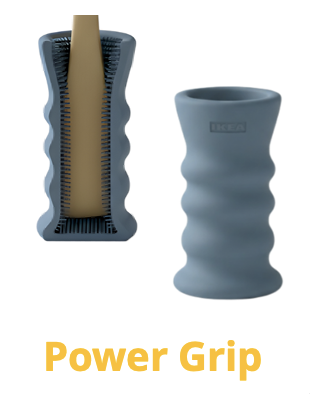 Power Grip
In-Store Customer Journey
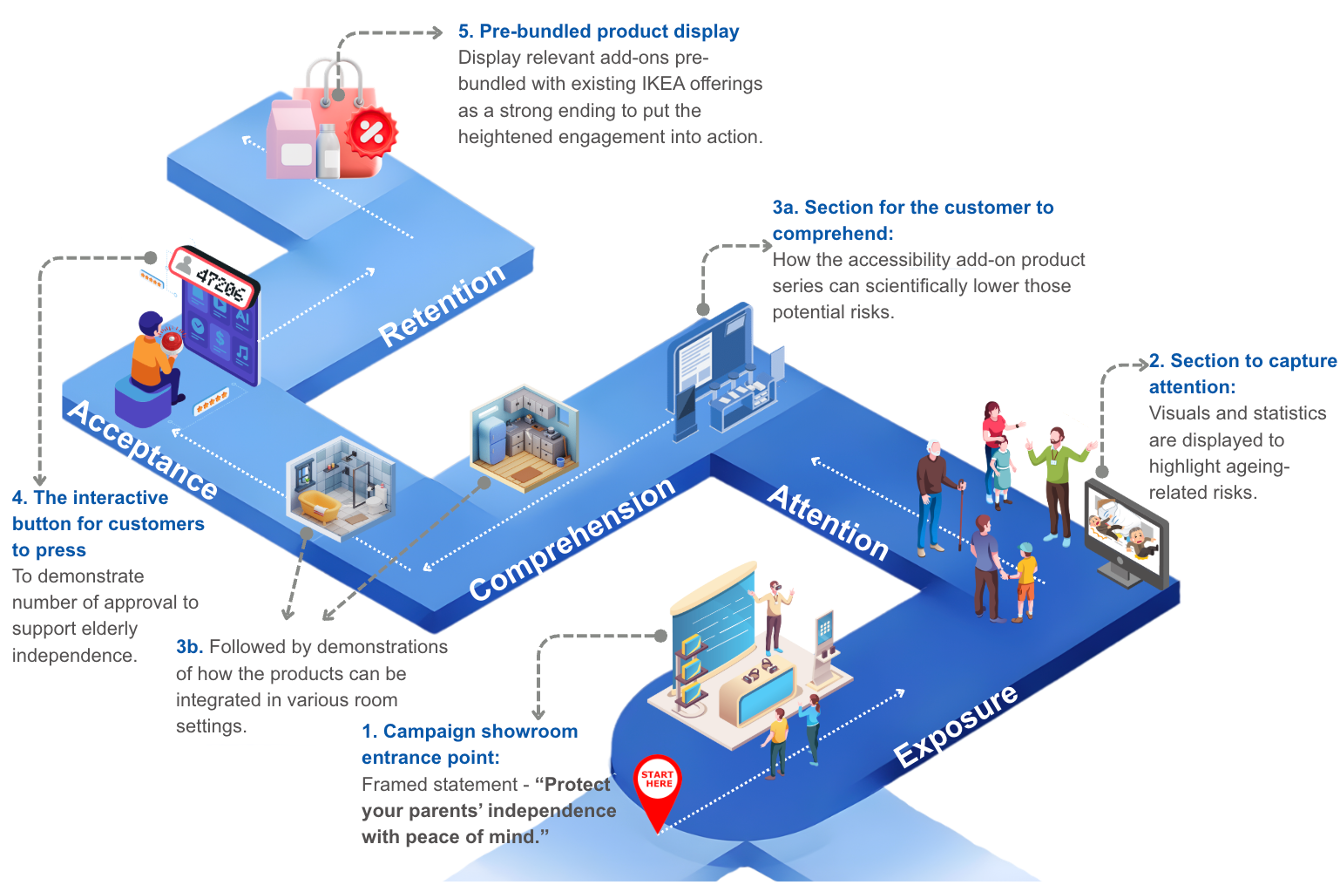
Isometric overview of the 4-stage in-store customer journey
- Exposure: Entry messaging highlights aging-related incident risks, framing inaction as potential loss to trigger attention
- Comprehension: Showroom demonstrations integrate products into everyday home settings with clear functionality explanations
- Acceptance: Interactive social proof counter ("Ready to Support Elderly Independence With Us?") creates collective endorsement
- Retention: Products bundled with existing furniture at showroom exit to encourage higher basket size
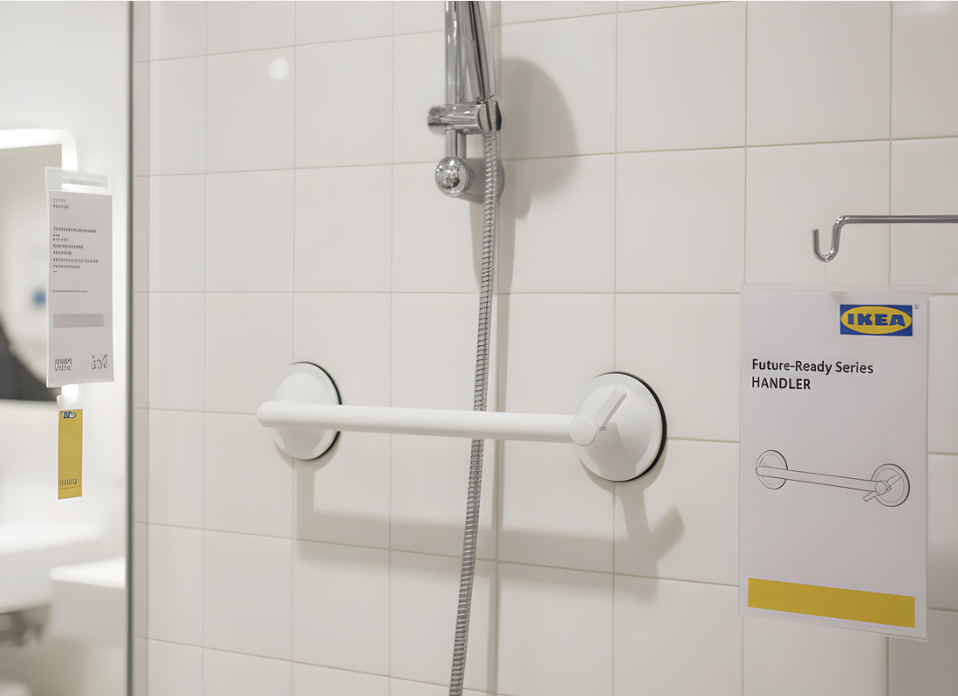
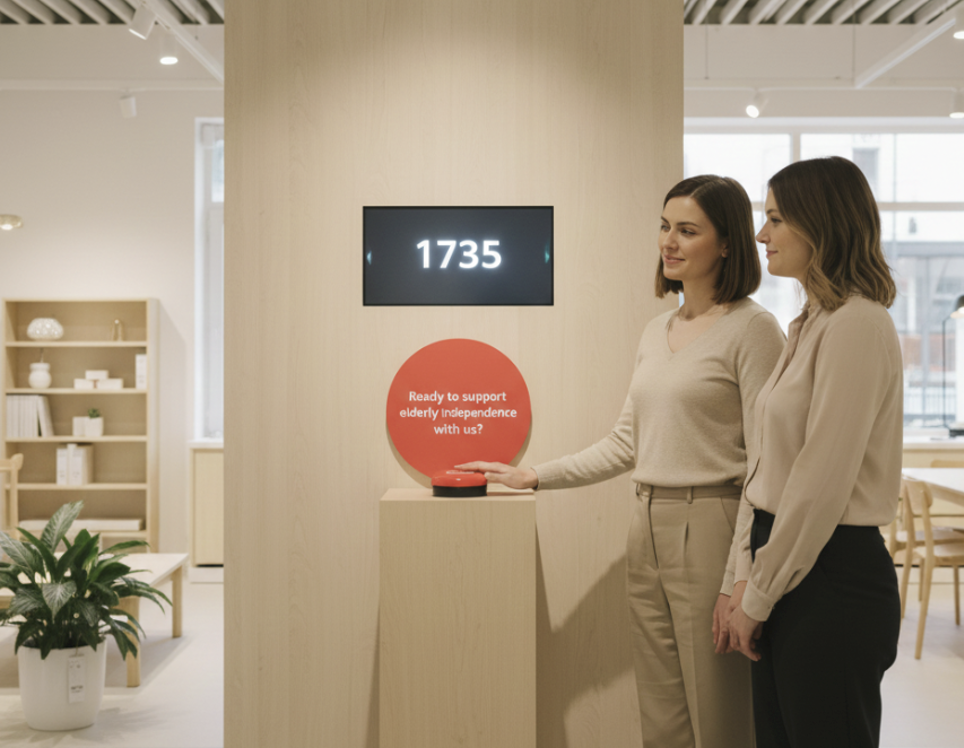
Left: PARASOLL handle installed in showroom bathroom. Right: Interactive engagement at showroom display

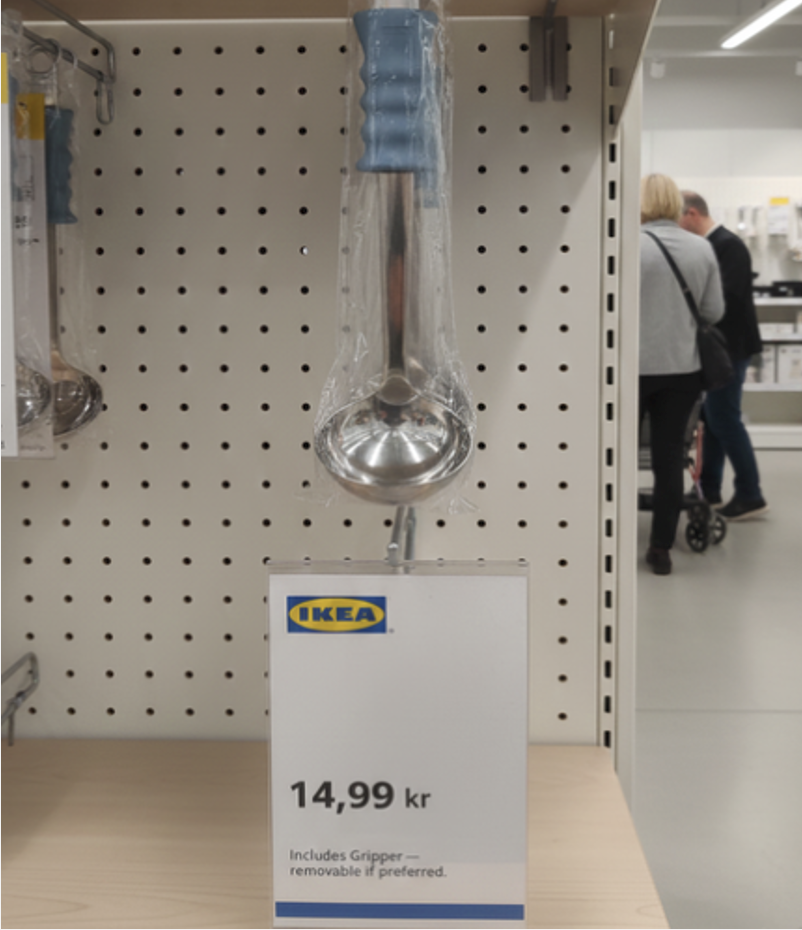
Left: Digital display reinforcing emotional messaging. Right: Pre-bundled products at exit
"Pre-Suasion" Through Canteen Experience
Products are subtly integrated into the IKEA canteen environment — customers interact with them naturally, building preference through repeated exposure before conscious evaluation.
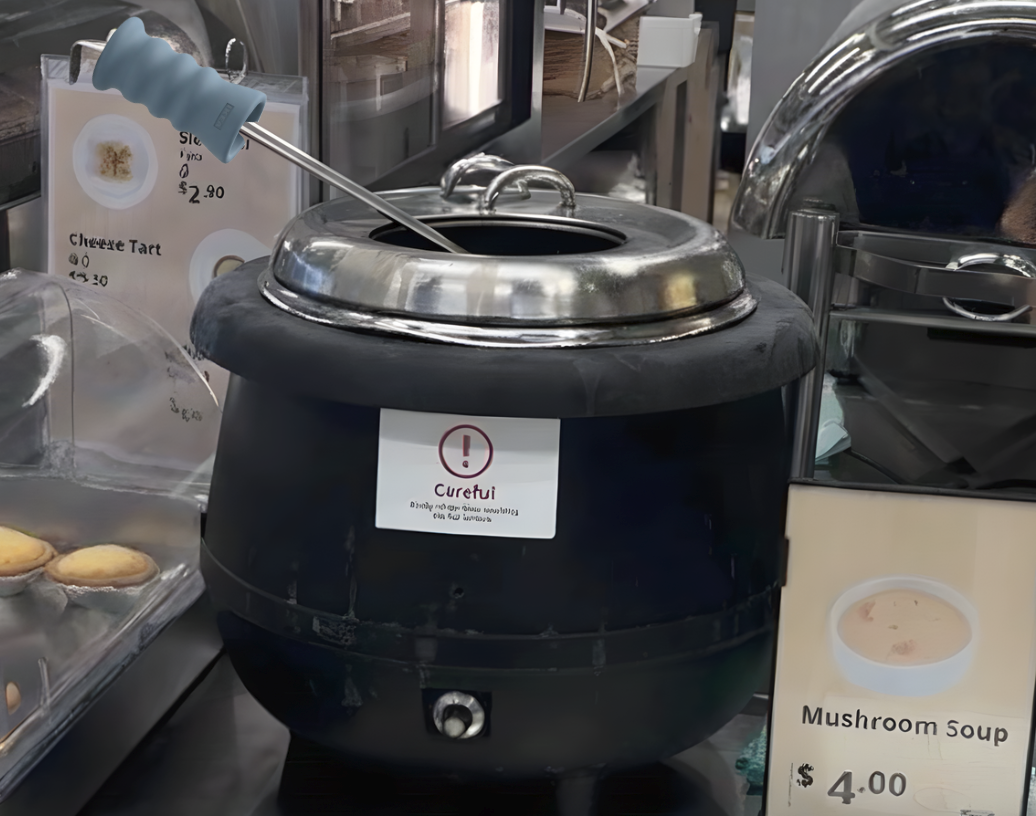
Assistive product integration in IKEA canteen with "Careful" messaging
Business Impact

Revenue Growth
Captures share of the growing assistive living market and increases basket size

Customer Lifetime Value
Strengthens engagement with multi-generational households

Brand Equity
Evolves IKEA from furniture retailer to a leader in inclusive living
Risks & Mitigation
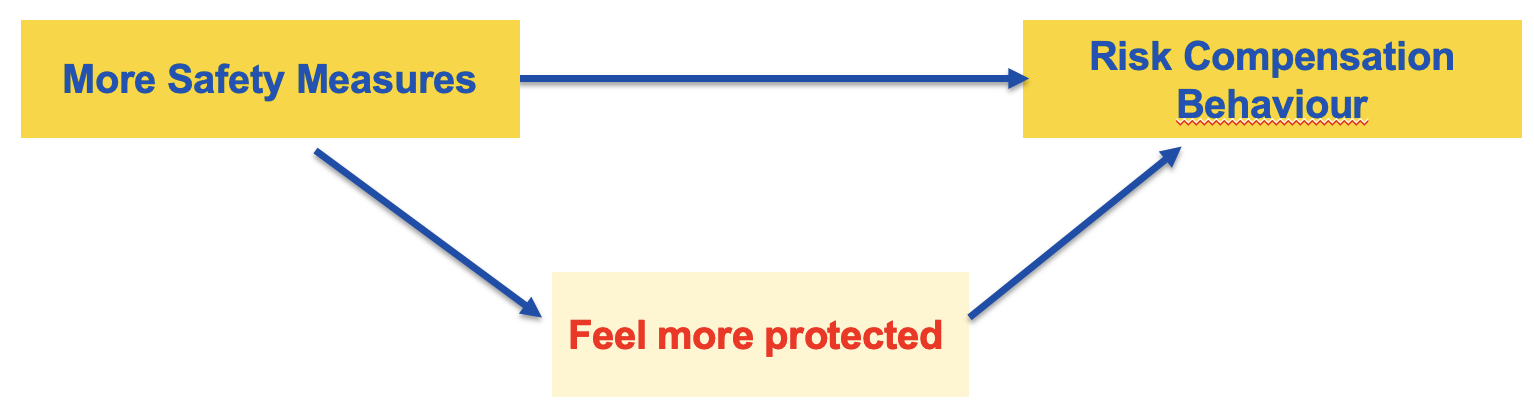
Risk compensation cycle: more safety measures may paradoxically reduce vigilance
Framing products as "peace of mind" solutions may lead to risk compensation behaviour. Mitigation: complement product messaging with education on proactive care, positioning solutions as supportive, not substitutive.
SKU Portfolio Optimization for Margin Expansion
Led the analysis to determine whether simplifying a global FMCG client's SKU portfolio could materially improve margins. Built a SKU-level margin uplift model that identified $4.2M in annualised savings through strategic portfolio simplification.
View Case StudyProblem Framing
The client needed to decide whether simplifying its SKU portfolio could materially improve margins without putting revenue at risk. While leadership suspected that portfolio complexity was a contributing factor, it had not been quantified or clearly isolated from other potential drivers such as pricing pressure or cost increases.
Approach: Hypothesis-Driven Analysis
An initial hypothesis was that competitive pricing pressure was the main cause of margin decline. However, after analysing SKU-level pricing trends and benchmarking against peers, pricing was found to be relatively stable.

Issue tree: pricing pressure (Hypothesis 1) was deprioritized; portfolio complexity (Hypothesis 2) emerged as the primary driver
Pivotal Insight: Margin erosion was not driven by how products were priced, but by how the portfolio was structured. This reframed the problem from commercial optimisation to portfolio simplification.
Key Analysis
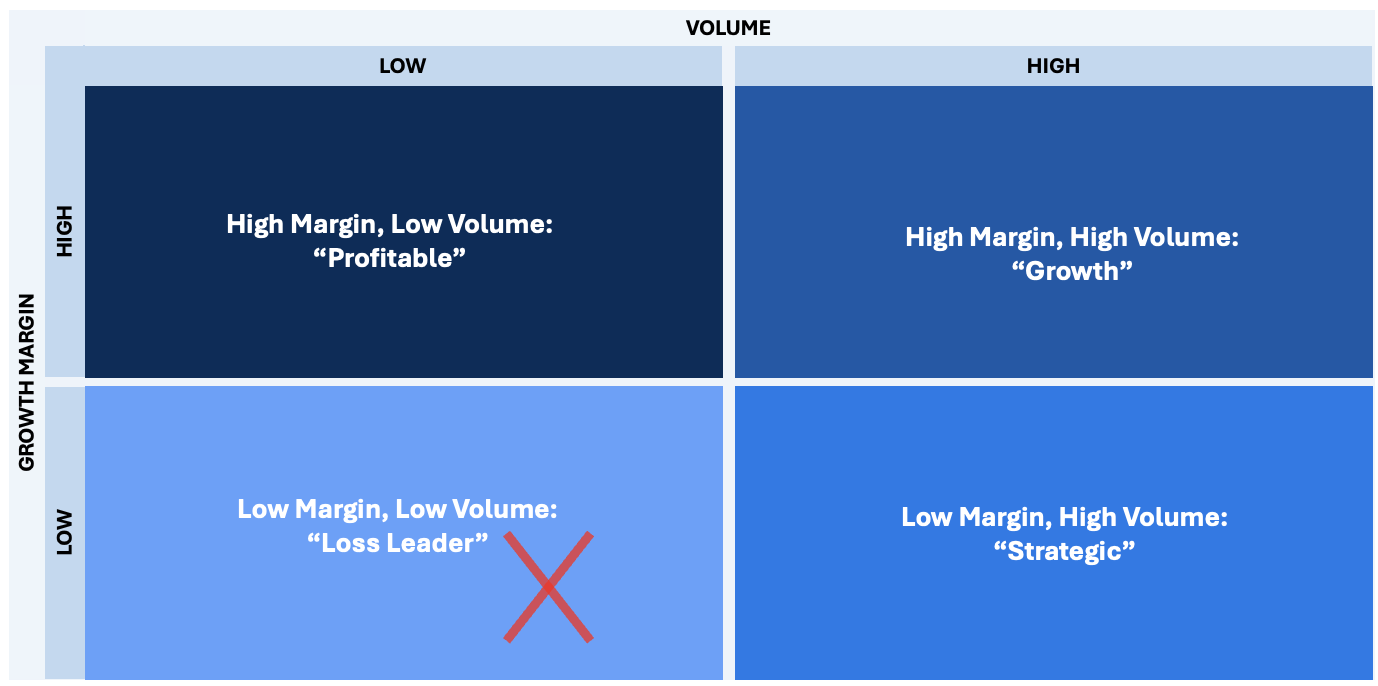
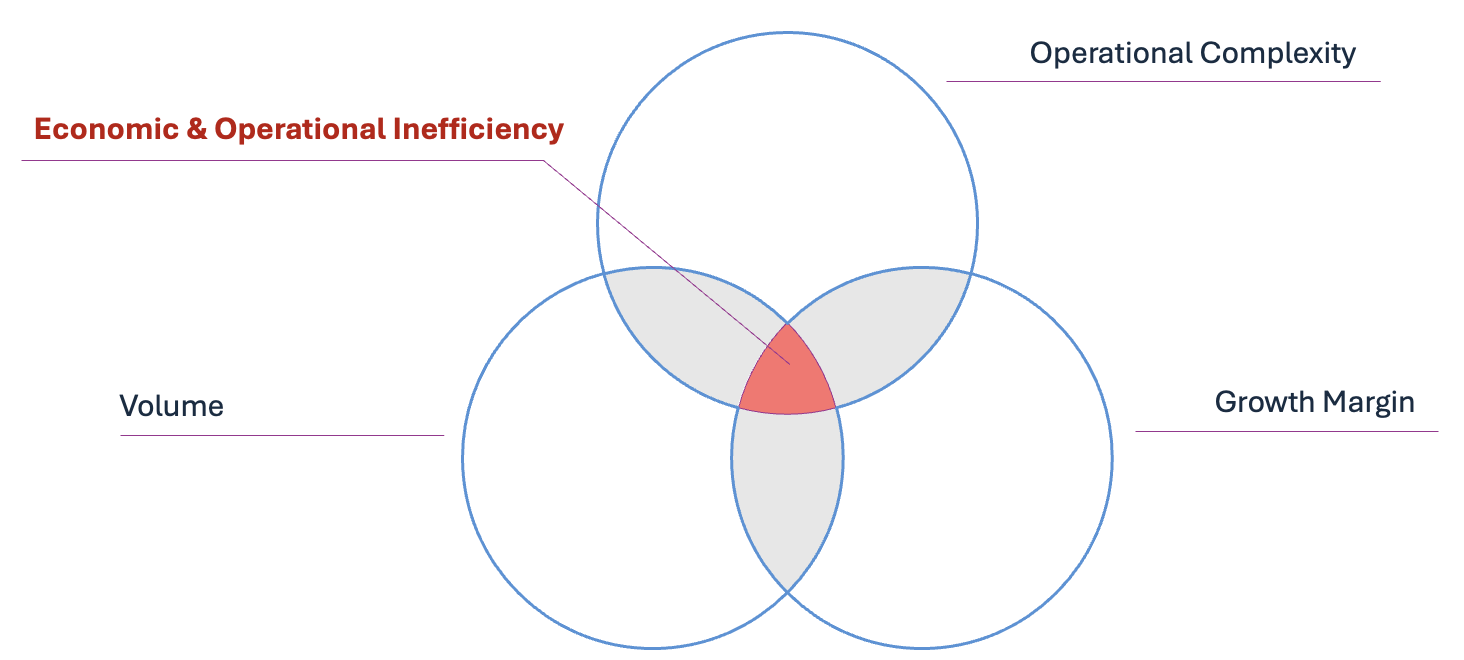
Left: Volume vs. Margin segmentation matrix — "Loss Leader" quadrant flagged for rationalisation. Right: Venn diagram identifying the zone of economic & operational inefficiency
- SKU Segmentation: Portfolio segmented across volume and margin contribution, revealing a long tail of low-volume SKUs with weak or negative contributions
- Strategic Filter: Not all low-margin SKUs should be removed — an additional filter based on operational complexity ensured focus on SKUs that were both economically and operationally inefficient
- Profit Leakage: By incorporating cost-to-serve estimates (production changeovers, logistics, inventory burden), a subset of SKUs were identified as net margin-negative despite appearing profitable at gross level
Margin Uplift Model
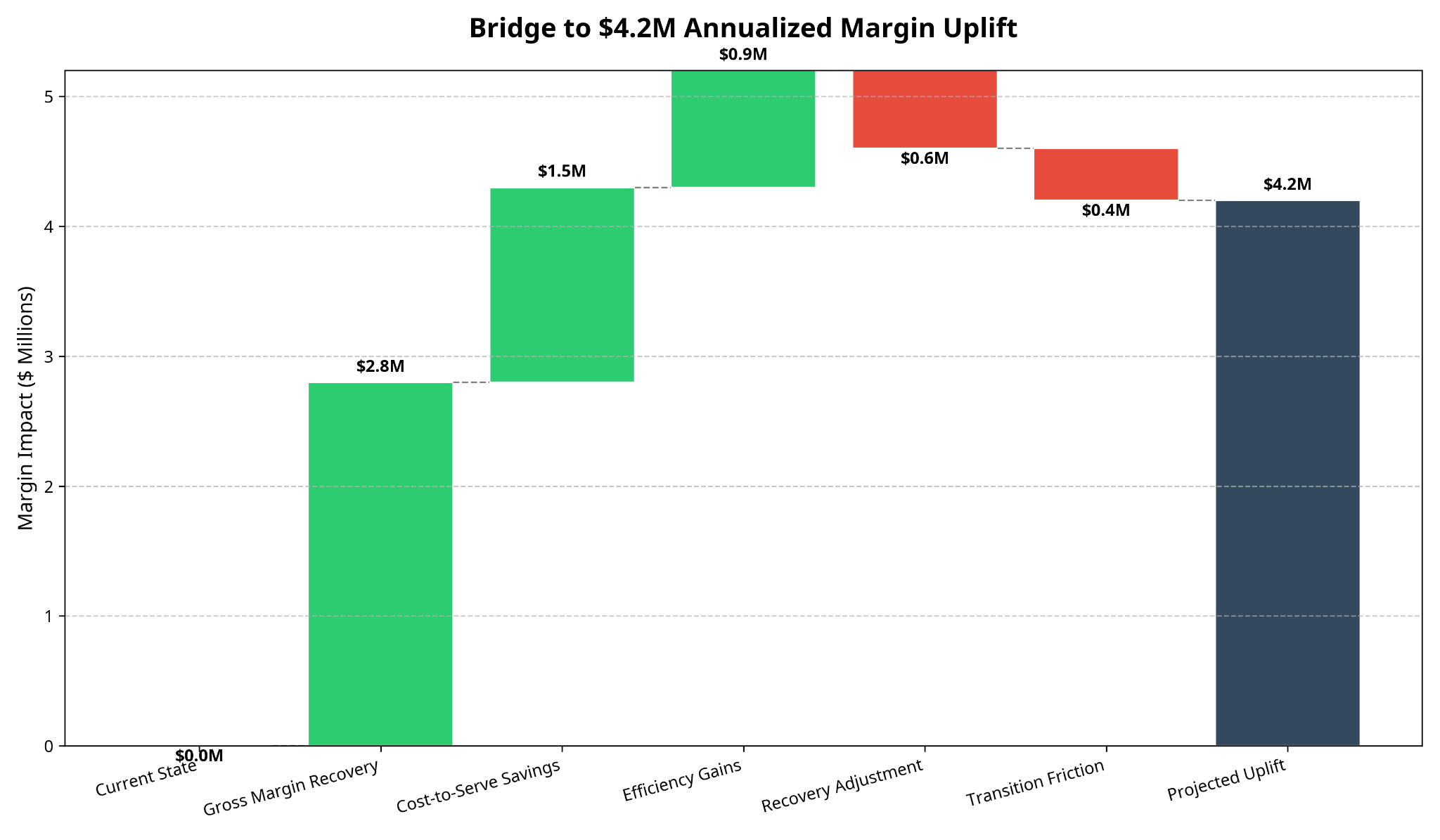
Bridge to $4.2M annualised margin uplift: gross margin recovery, cost-to-serve savings, and efficiency gains, net of adjustments
The core trade-off was between short-term revenue risk in niche segments versus long-term margin improvement and operational simplicity. A focused portfolio would allow the client to scale high-margin products more effectively.
Judgment & Learning
At the outset, it was unclear whether pricing or complexity was the primary driver. Rather than moving quickly into SKU rationalisation, I chose to validate the underlying drivers first, ensuring the recommendation was supported by a clear and defensible economic case.
Reflection: In hindsight, pressure-testing cost recoverability assumptions earlier would have strengthened confidence in the $4.2M estimate and allowed for more precise implementation planning.
Strategic Communications & Reputation Management
Singapore's largest retail electricity provider achieved 74% brand awareness but only 26% customer conversion. Developed a data-driven strategic communications plan to transition Geneco from "being known" to "being understood" through SEO optimization, UX redesign, and brand narrative strategy.
View Case StudyThe Conversion Challenge
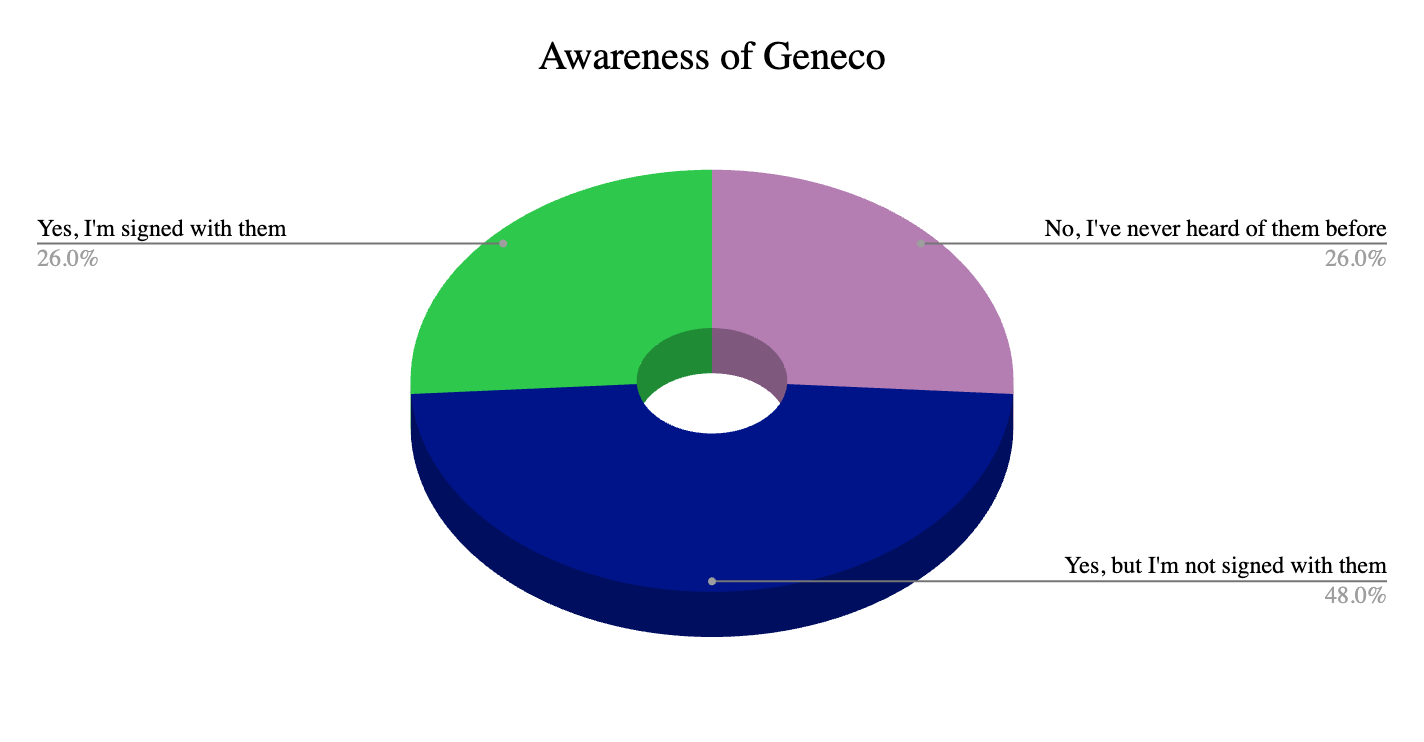
74% awareness yet only 26% conversion — a 48% untapped market opportunity
Four primary barriers were identified:

Trust Gap
SP Group perceived as more dependable and "safer"

Informational Barriers
Fear of complex switching process and hidden fees

Channel Misalignment
Marketing on social media; Gen X uses search & WOM

Vision Gap
"Power the Change" tagline too vague to convert
Research & Insights
Strategy grounded in primary survey data, in-depth interviews, and competitive SEO audit.
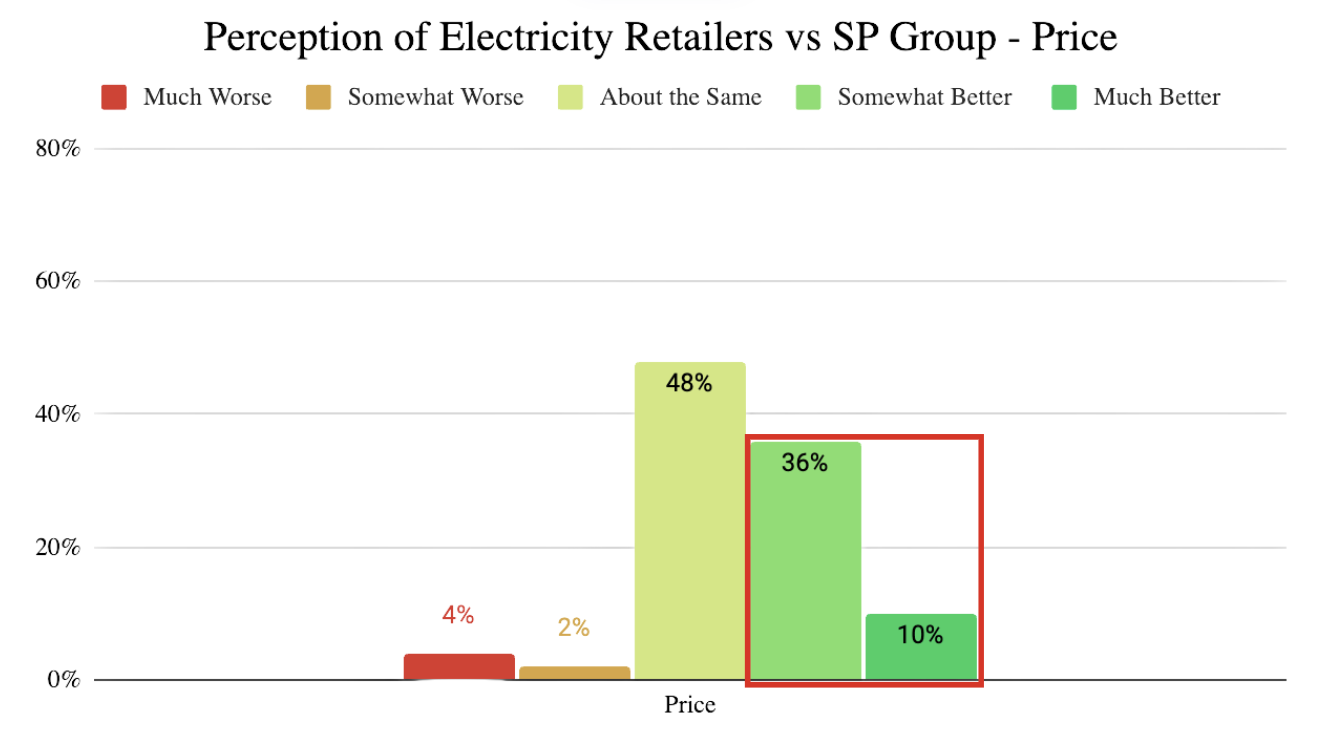
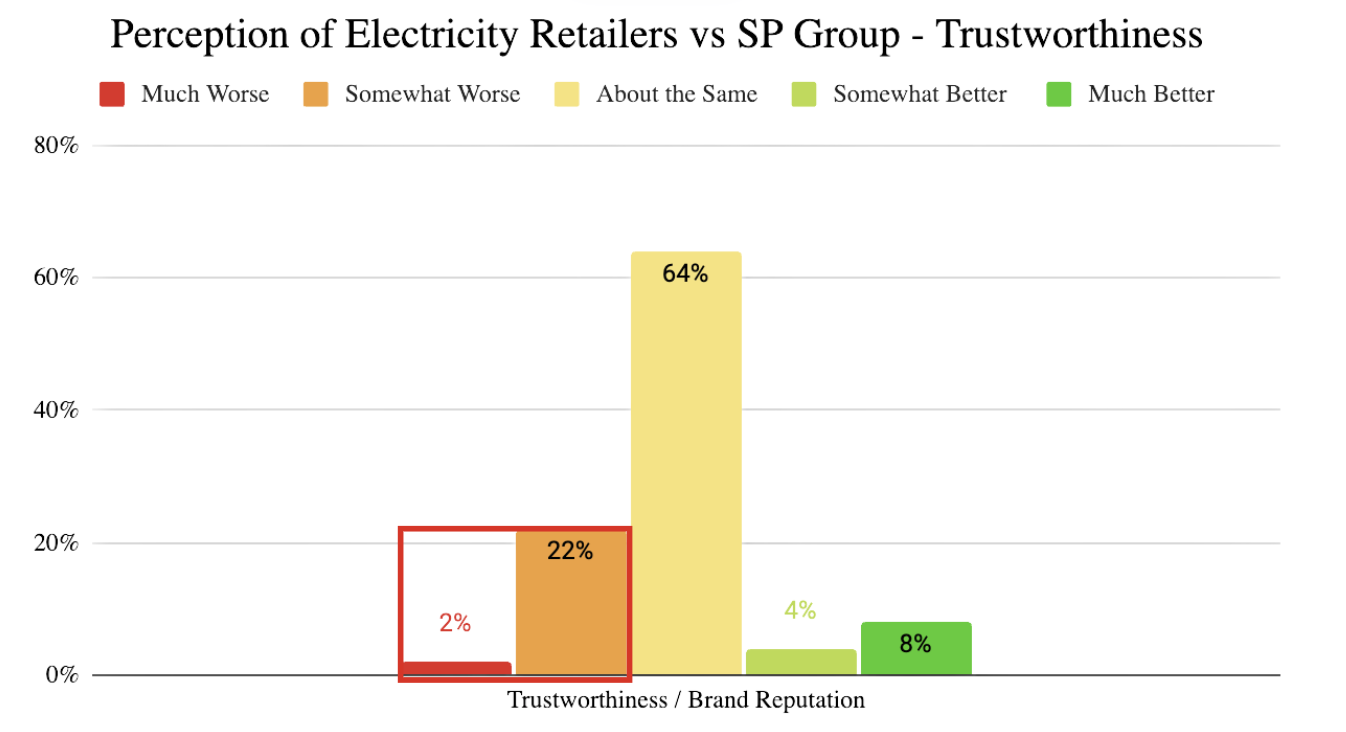
Left: Price perception — retailers seen as comparable or better. Right: Trustworthiness — 22% see retailers as worse than SP Group
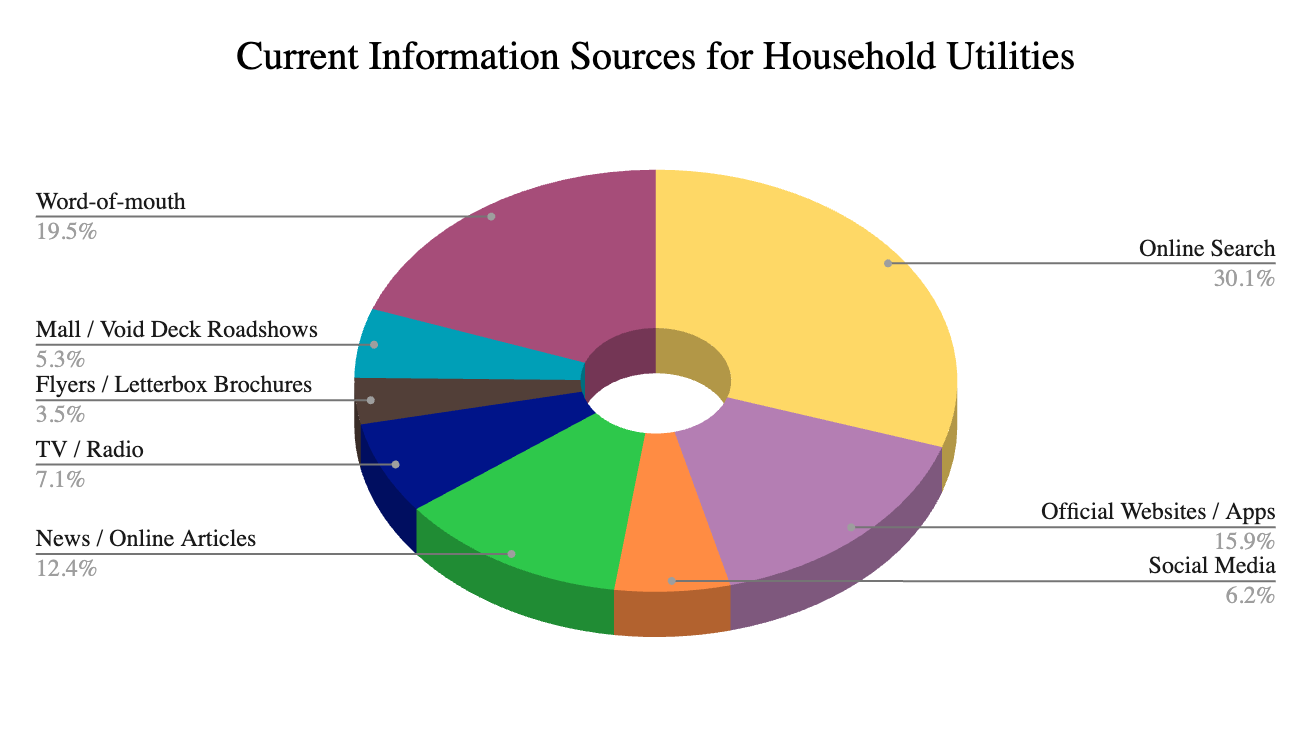
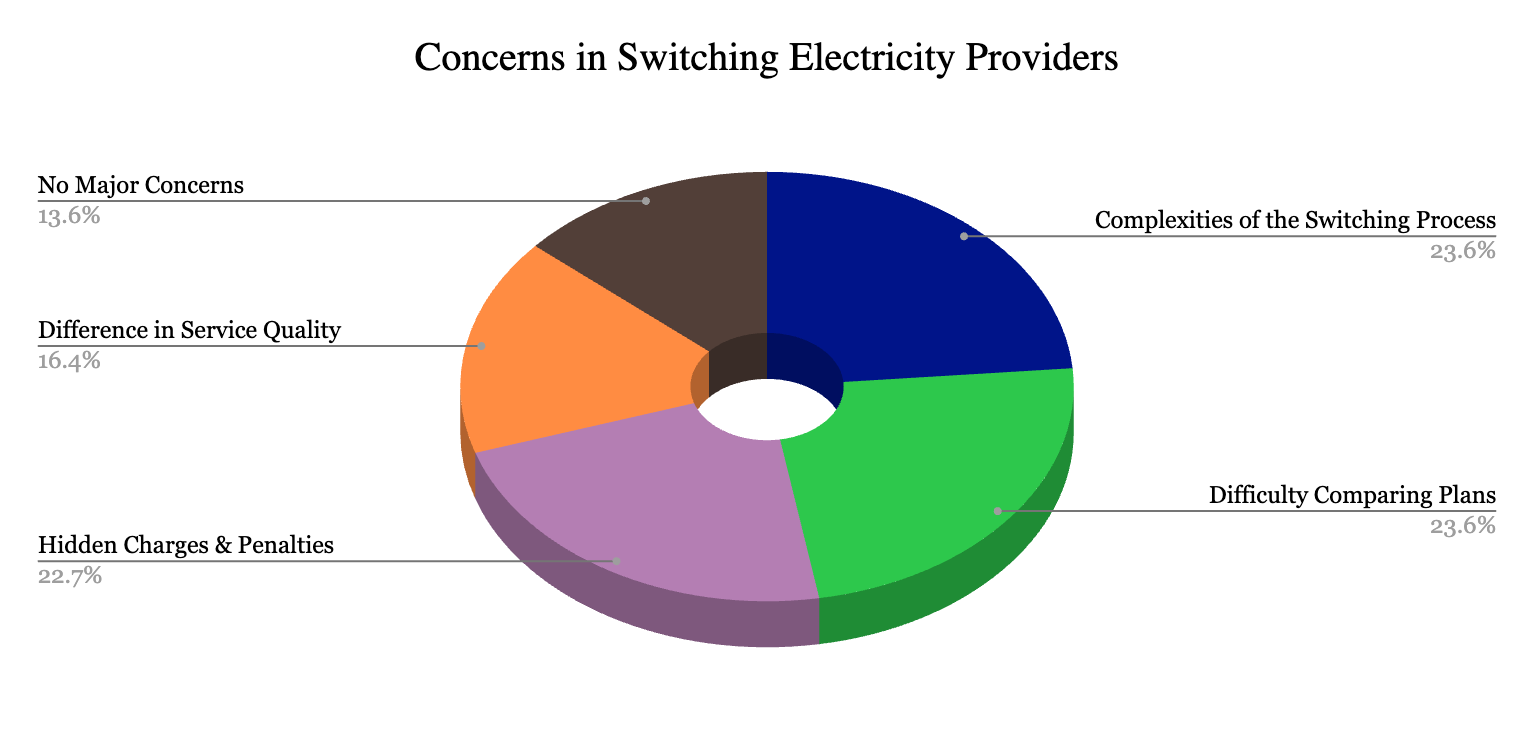
Left: Information sources — online search dominates (30%). Right: Switching concerns — complexity and hidden fees top the list (~70%)
SEO Visibility Gap
Critical Finding: Geneco had only 455 ranked keywords compared to SP Group's 2,900+, and ranked poorly for high-intent terms like "cheapest electricity Singapore."
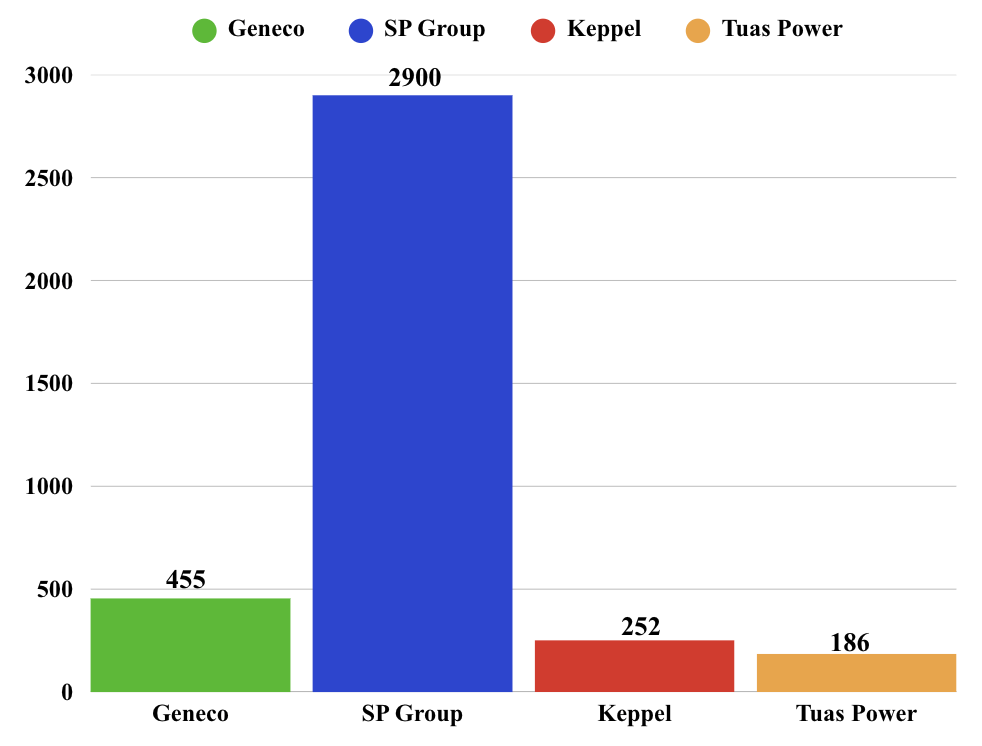
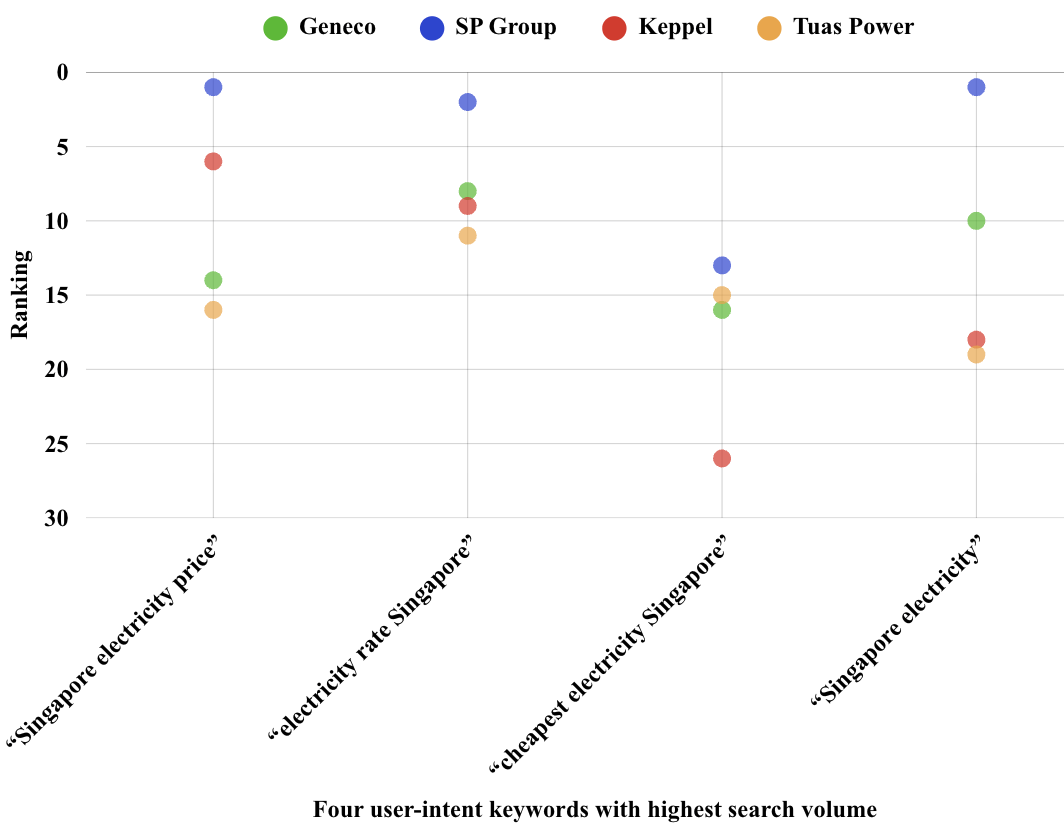
Left: Total ranked keywords — SP Group dominates at 2,900 vs Geneco's 455. Right: Ranking positions for high-intent search terms
Phase 1: Visibility & Accessibility
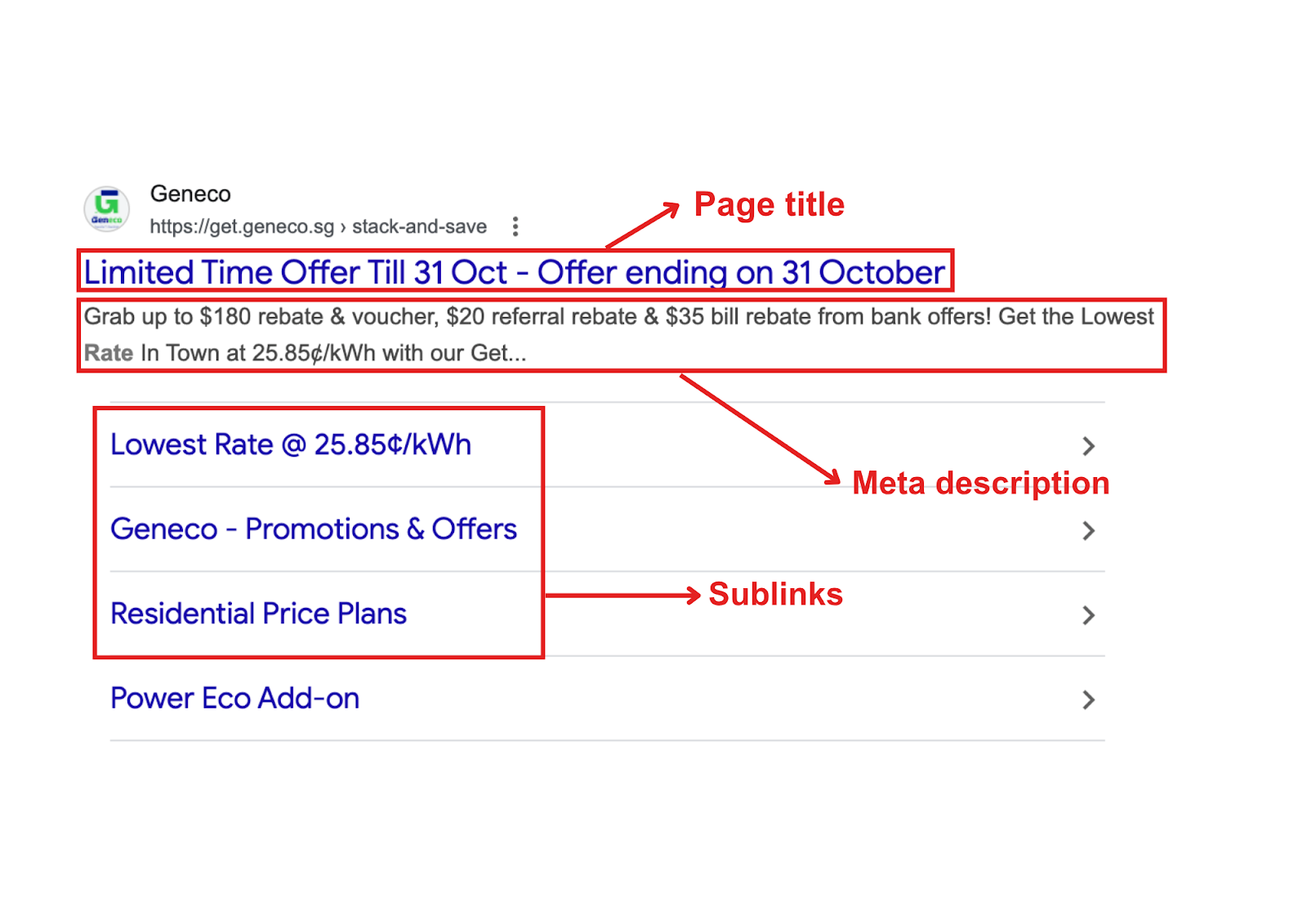
SEO & Metadata Revamp
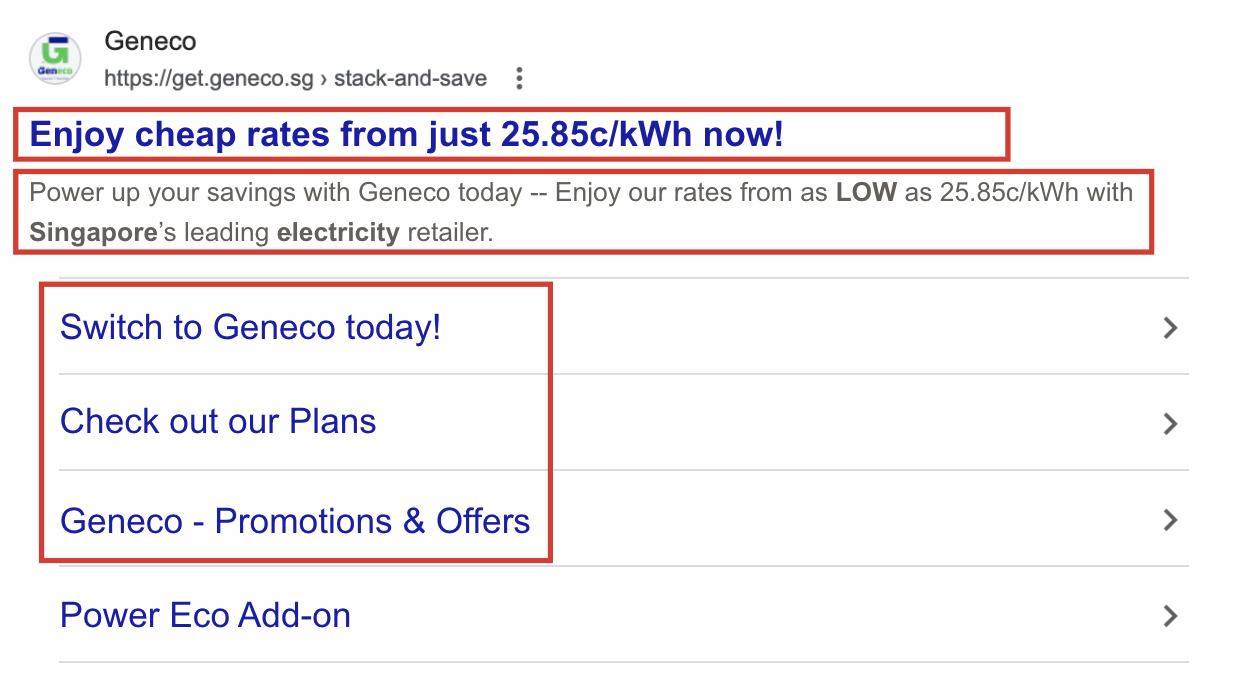
Transitioned from promotion-focused metadata to benefit-driven, evergreen keywords:
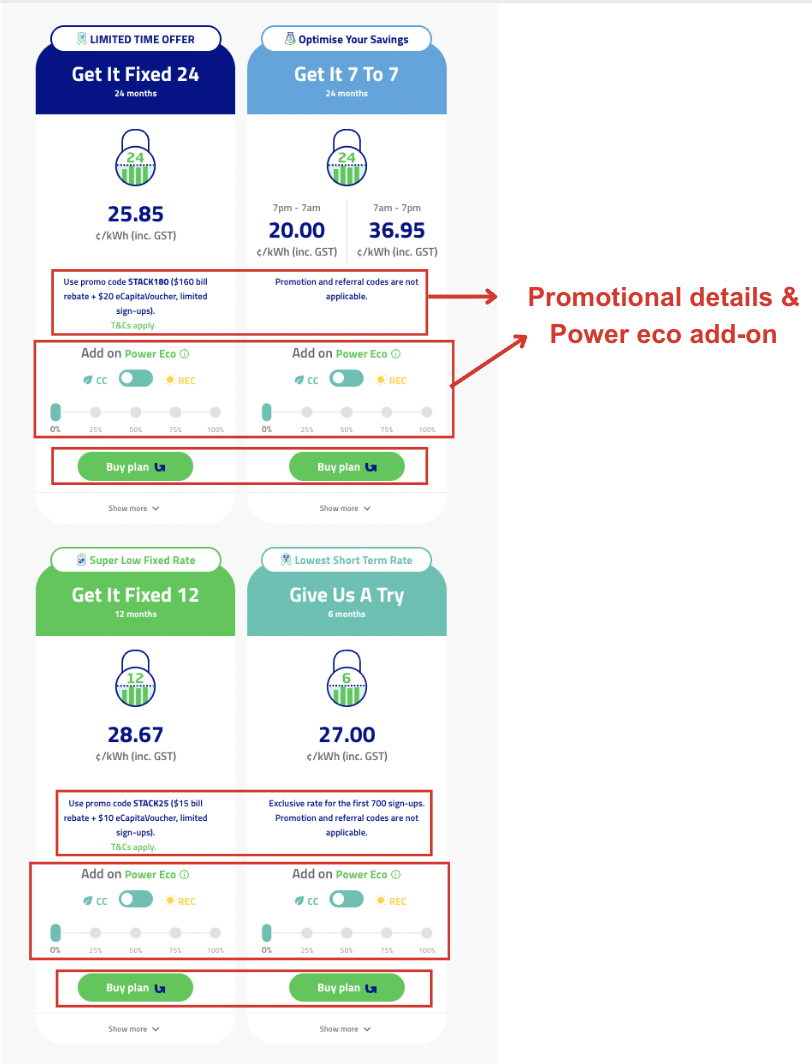
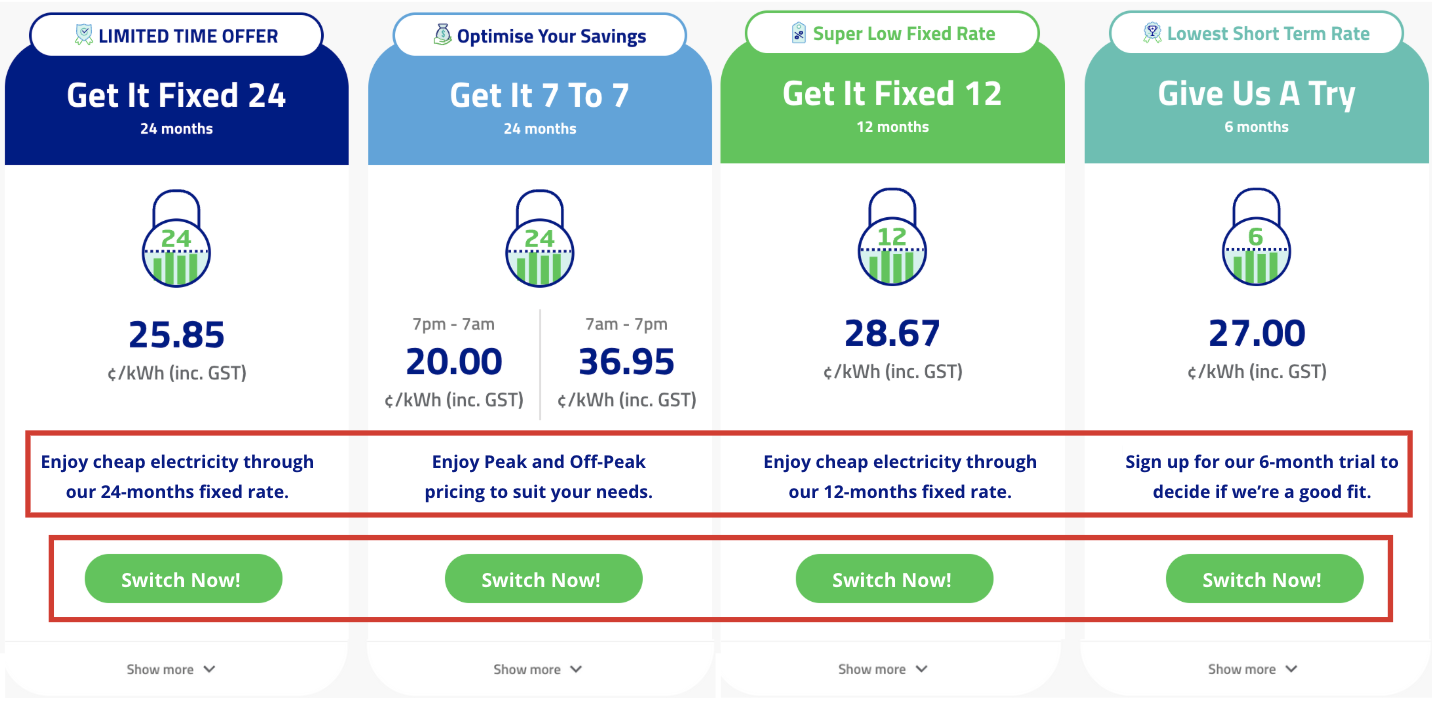
UX Optimization
Redesigned the price plan page for side-by-side comparison; updated CTAs from "Buy Plan" to "Switch Now":
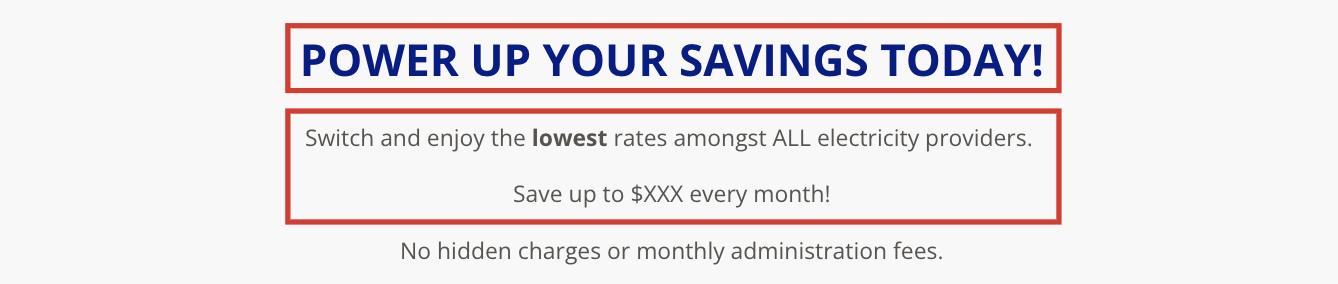
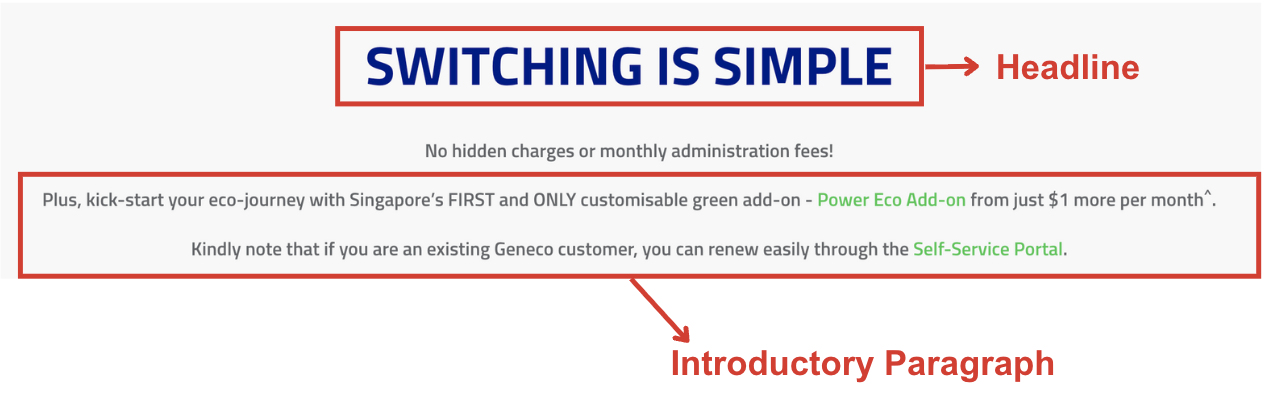
Content Rephrasing
Rephrased owned media with high-volume search terms for improved SERP visibility:
Heartland Activation
Physical booths at high-traffic hubs with savings calculators and deployed staff for face-to-face trust-building:
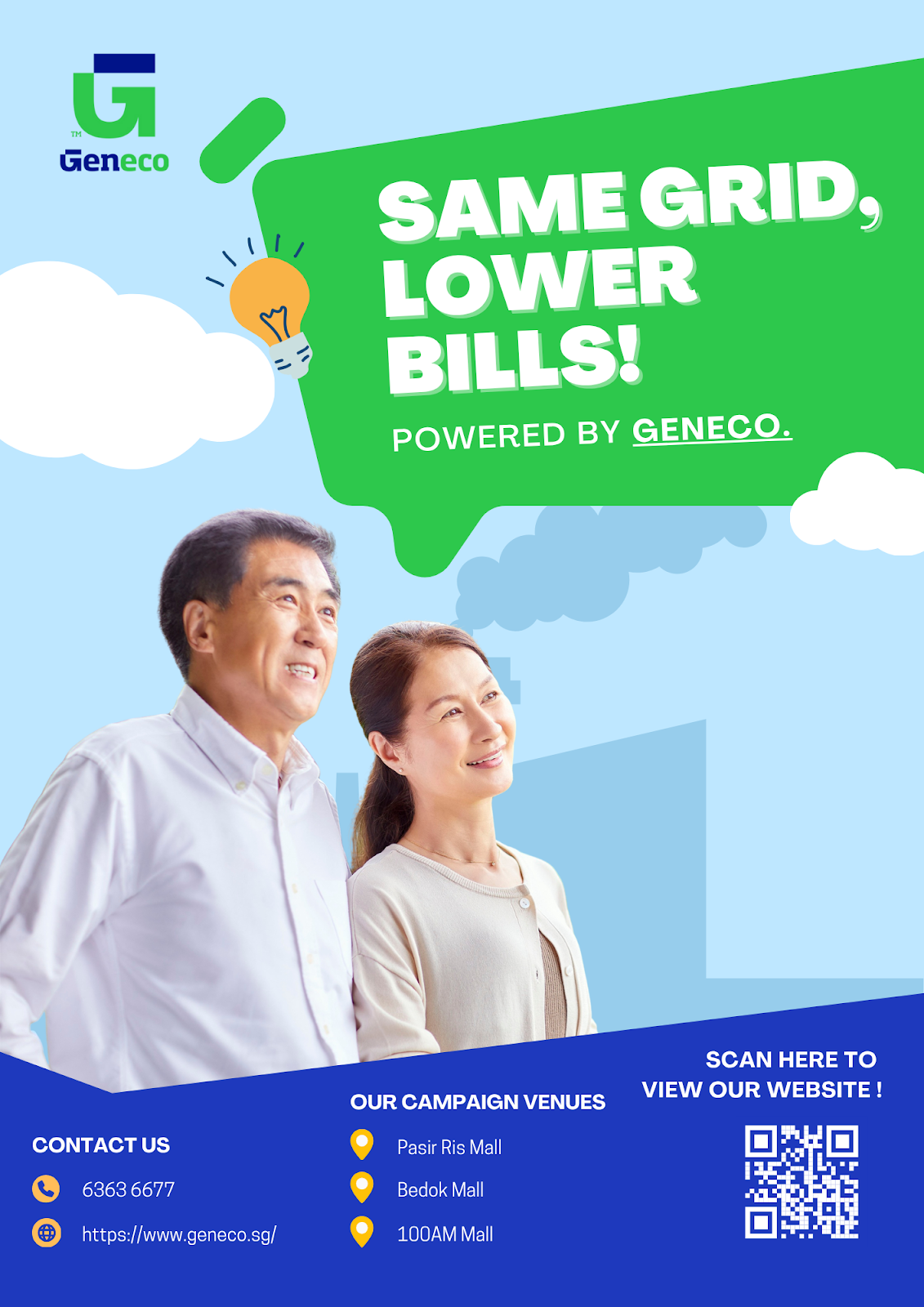
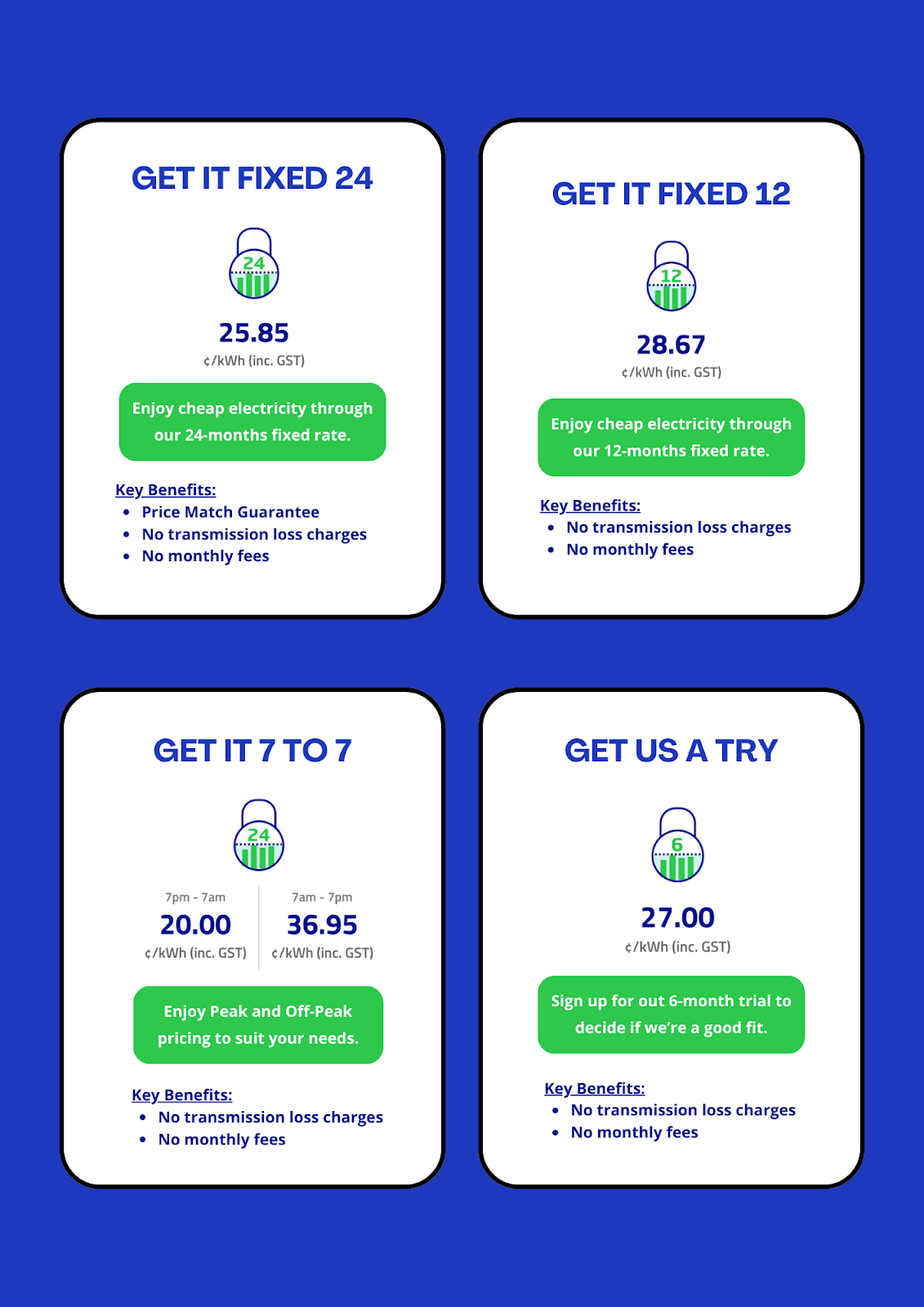
Campaign flyer: front with target demographic imagery, back with key plan details
Phase 2: Vision-Reputation Alignment
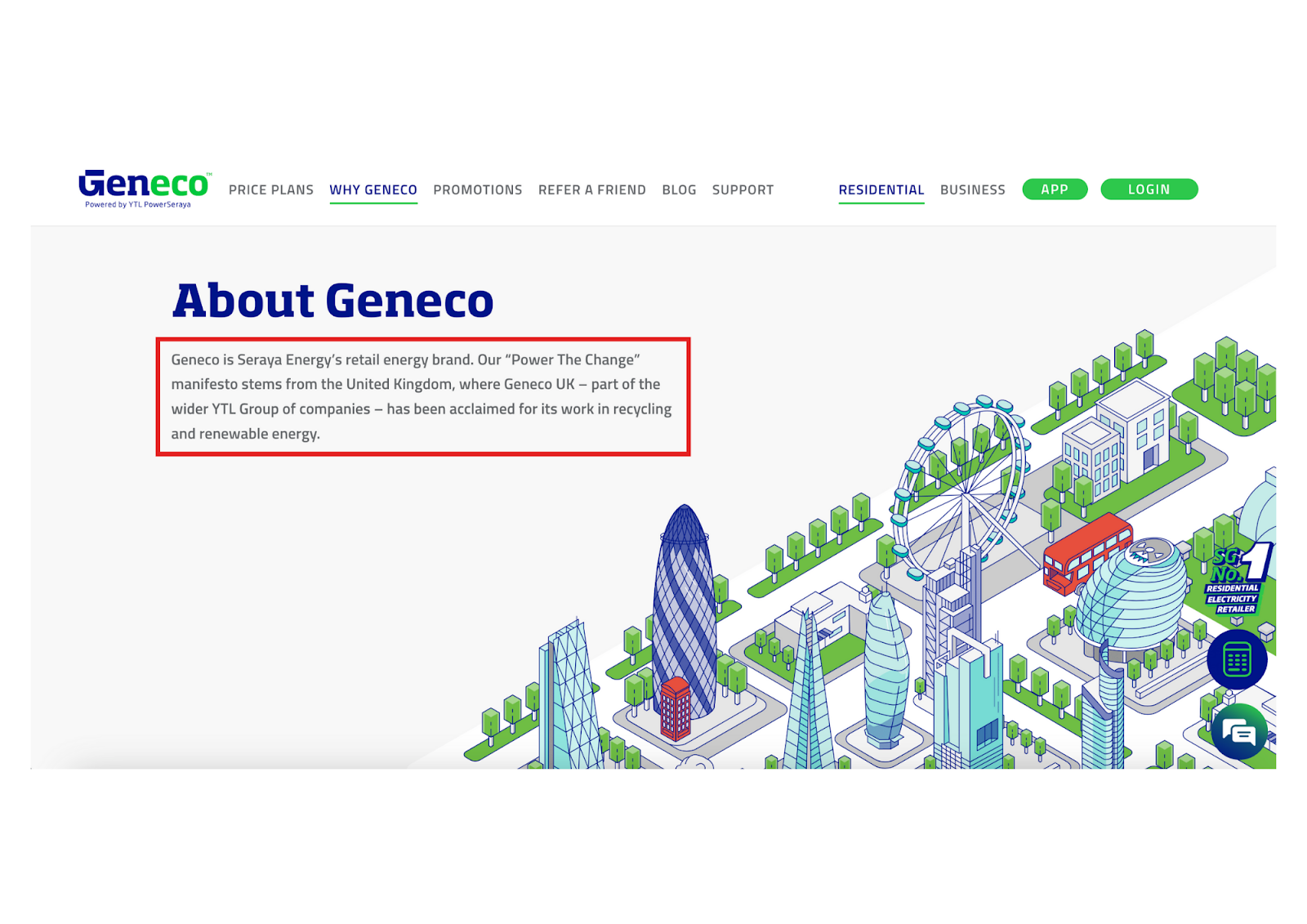
Brand Narrative Redesign
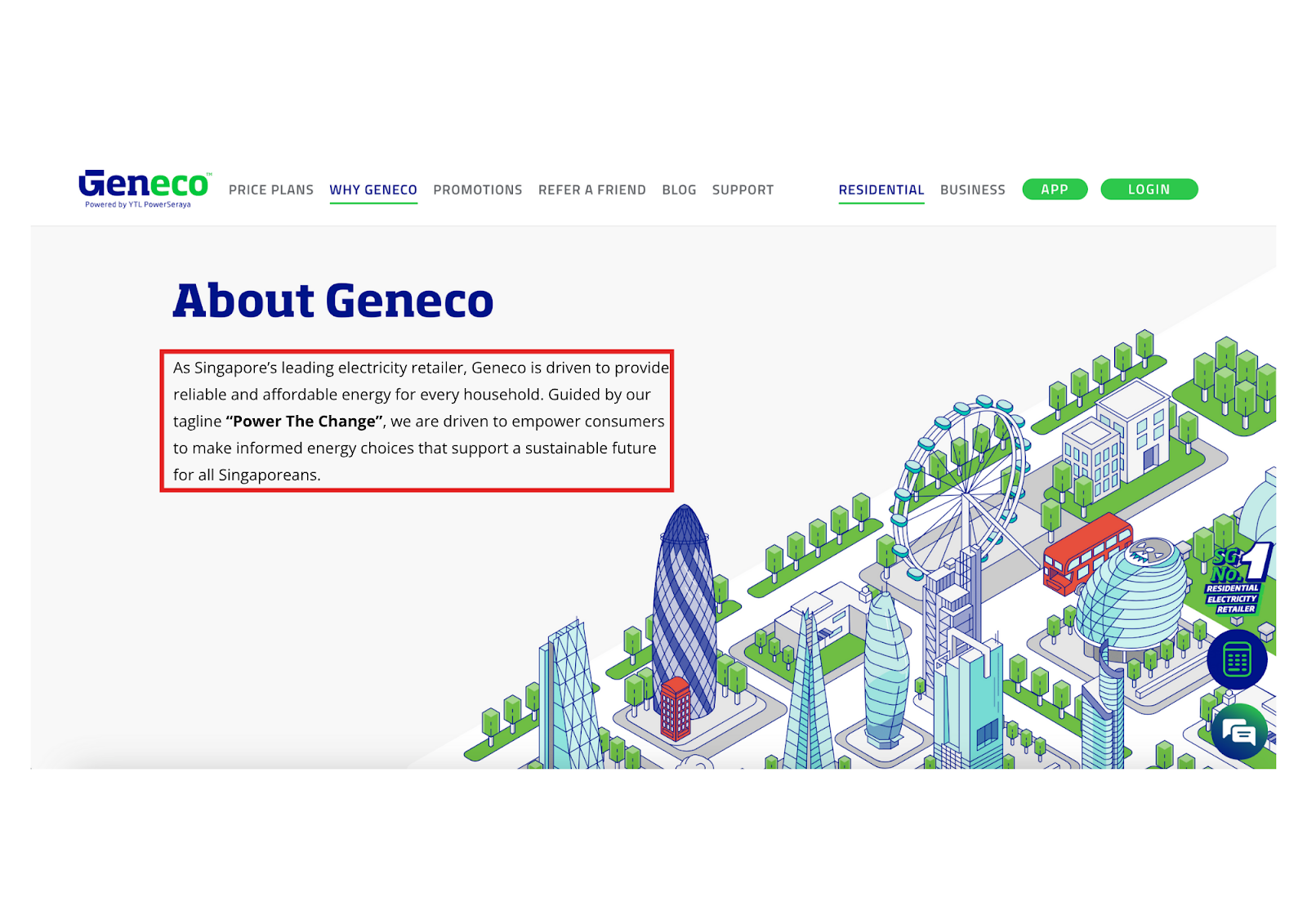
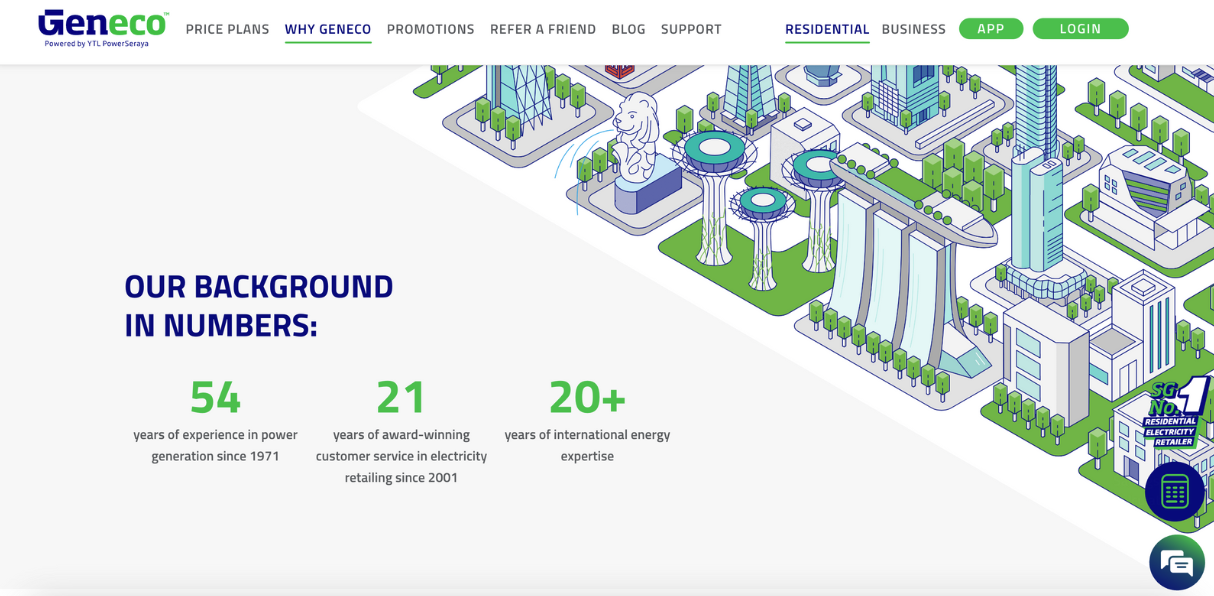
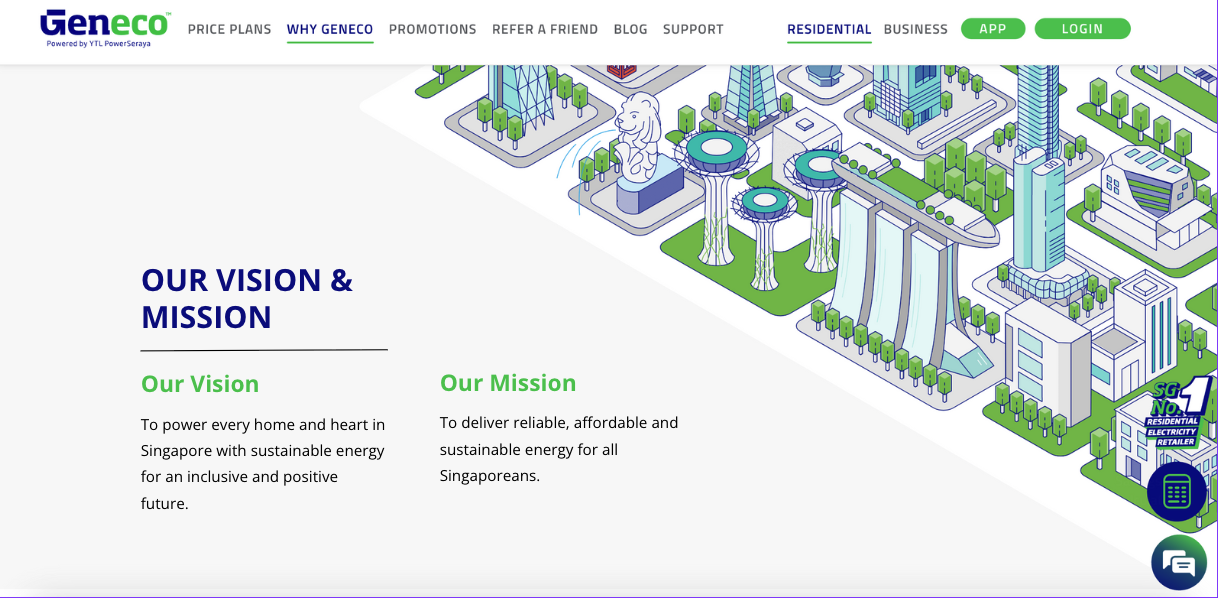
Revamped the "Why Geneco" page to prioritize a localized Singaporean narrative over UK-centric history:
Validation & Impact
Validation: Geneco's current search results have adopted the recommendation to include high-volume search terms like "switch," "cheap," and "Singapore" — confirming strategic impact.
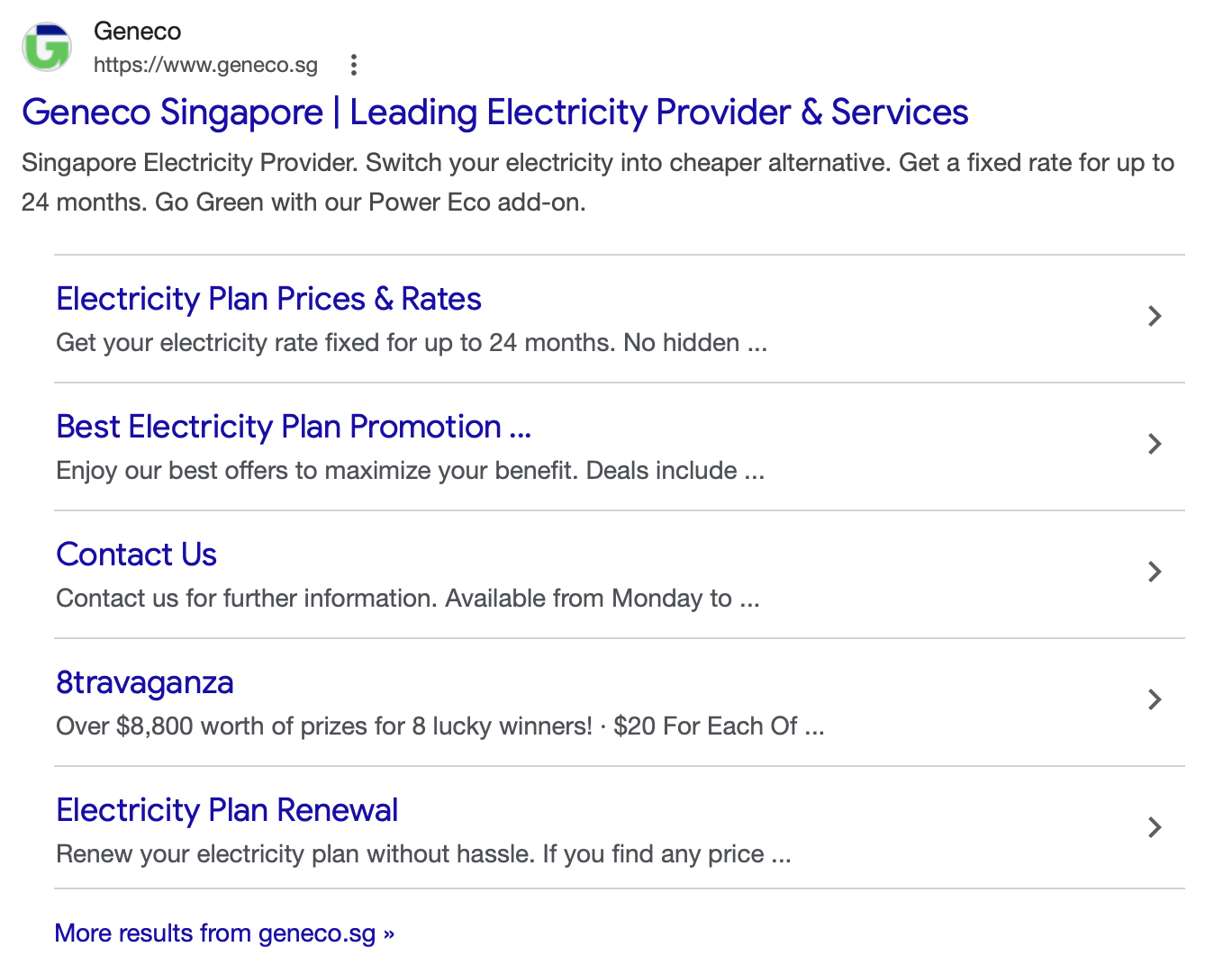
Current Google SERP listing — reflecting recommended keyword integration
Reflection
While the strategy is analytically sound, I would incorporate more creative elements to resonate with Gen X's need for emotional connection — for example, interactive quizzes using simple gamification to demystify the switching process and break down informational barriers in an engaging, low-pressure way.